Table of contents
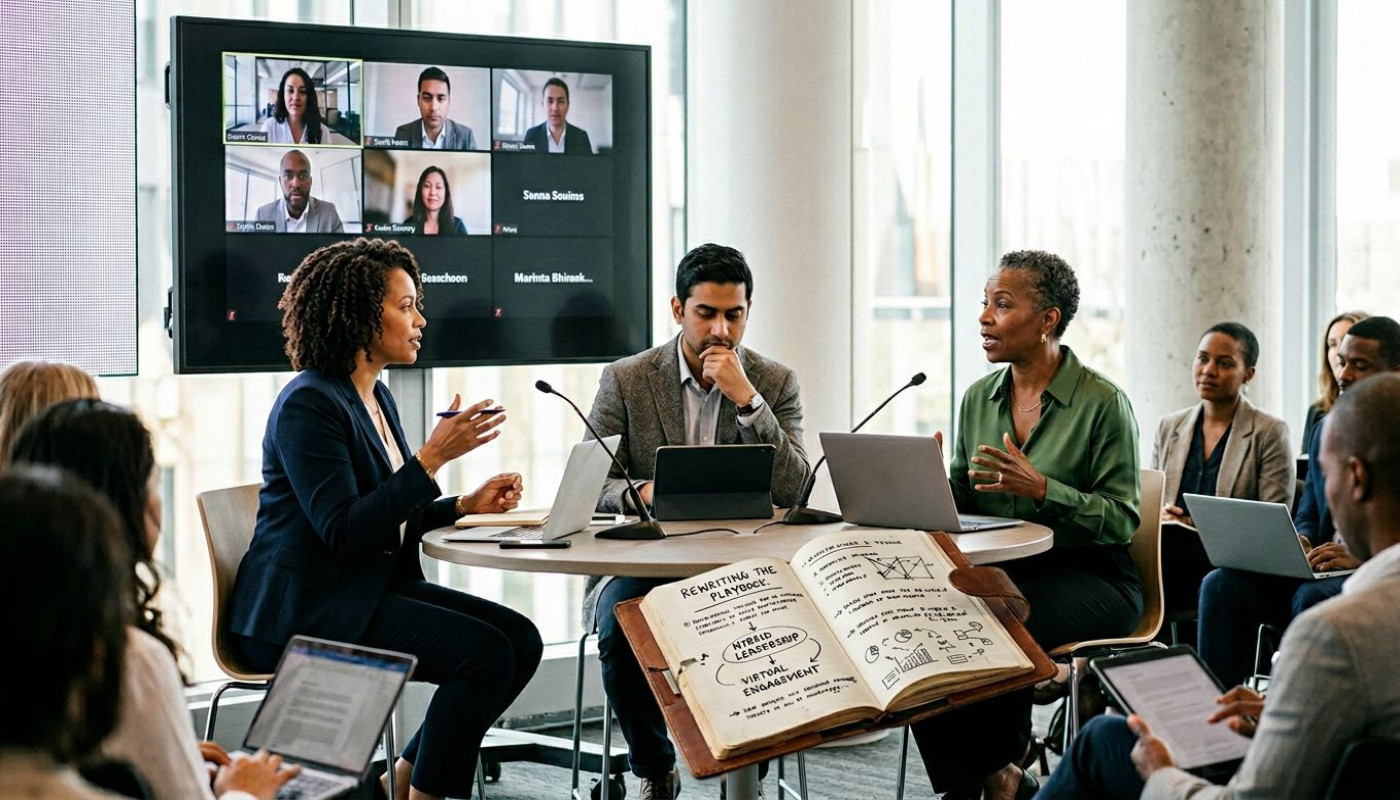
Hybrid events are revolutionizing the way organizations connect with their audiences, blending physical presence and digital convenience in ways never seen before. With new technologies and shifting attendee expectations, the traditional leadership strategies are being put to the test. Discover how these dynamic formats are challenging leaders to innovate, adapt, and redefine success in an increasingly blended world.
Redefining Leadership Skills
As organizations increasingly embrace hybrid event leadership, leaders are being challenged to develop new leadership skills that go beyond the traditional demands of purely in-person or virtual-only environments. Navigating the complexities of hybrid formats requires adaptability, as leaders must seamlessly shift between physical and digital settings while maintaining team cohesion and engagement. In adapting to hybrid events, it becomes necessary for leaders to hone their digital literacy for leaders, mastering the technologies and platforms that facilitate real-time collaboration across diverse locations. This fluency ensures that they can leverage digital tools to drive participation, monitor engagement, and resolve technical issues without disrupting the flow of the event.
Another significant skill set is cross-channel facilitation, where leaders are responsible for orchestrating communication and interaction between both onsite and remote participants. This entails not just technical competence but also the ability to design experiences that are inclusive and equitable, minimizing the risk that remote attendees feel sidelined. Future-ready leadership depends on a nuanced understanding of audience dynamics and the ability to foster meaningful connections across multiple channels. For an example of how technology is transforming professional capabilities, reference offers insights into how AI-driven solutions are reshaping creativity and leadership in modern organizations.
Audience Engagement Challenges
Leaders navigating the world of hybrid events encounter a complex mix of audience engagement challenges as they strive to balance the hybrid attendee experience across both physical and virtual environments. The shift to omnichannel engagement demands that organizers address diverse expectations by seamlessly integrating digital and in-person touchpoints, ensuring multichannel engagement without diluting the event’s impact. One persistent obstacle is the disparity in energy and participation between remote and onsite audiences, often resulting in virtual attendees feeling less involved due to limited networking opportunities and decreased sensory stimulation—a core virtual event challenge. To overcome these hurdles, engagement strategies must be tailored, leveraging interactive tools such as live polls, real-time Q&A sessions, gamification, and breakout rooms that draw remote participants into the heart of the experience. Simultaneously, fostering a sense of community through dedicated digital spaces and purposeful content is vital, as is empowering moderators to bridge the gap between onsite and online interactions. Ultimately, success in audience engagement hybrid events hinges on a deep understanding of attendee preferences, continuous feedback loops, and the flexibility to adapt formats, creating a unified, compelling hybrid attendee experience that resonates with every participant.
Technology’s Expanding Role
Hybrid events technology has become a defining element in orchestrating dynamic and engaging experiences for both virtual and in-person audiences. Leaders navigating digital transformation events must recognize that platform interoperability— the seamless integration of various event management tools, streaming solutions, and communication platforms— is now expected for smooth execution. Event tech trends point to a rapid evolution, with advanced event management platforms offering real-time collaboration, attendee engagement tracking, and robust security features. Sophisticated event analytics further empower organizers to monitor participation behaviors, optimize content delivery, and personalize follow-up strategies, while cloud-based streaming solutions ensure high-quality, scalable access to global audiences. Keeping pace with these technologies is no longer optional; leveraging the latest digital infrastructure is a necessity for delivering hybrid events that meet rising expectations and drive measurable outcomes.
Data-Driven Decision Making
Hybrid events are transforming the way leaders drive decision-making by providing access to rich and diverse datasets generated from both in-person and virtual interactions. By leveraging hybrid event analytics, organizations can tap into detailed event performance metrics that reveal attendee engagement, content preferences, and session impact. Technical tools such as predictive analytics empower data-driven leadership, allowing decision-makers to anticipate trends, tailor experiences, and optimize resource allocation in real time. Methods for collecting data include tracking digital touchpoints, analyzing session attendance patterns, and gathering direct feedback through integrated event platforms. Interpreting this information yields actionable insights events need to continuously enhance audience satisfaction and operational efficiency. Measuring event ROI becomes more precise, as leaders can benchmark outcomes against defined objectives and swiftly adjust strategies, ensuring each hybrid event delivers measurable value and supports long-term organizational goals.
Shaping Future Leadership Models
The future of hybrid events is rapidly influencing the evolution of leadership, demanding leaders to develop new skills that embrace both digital transformation and human connection. As organizations transition into a hybrid workplace, leaders must foster organizational agility—adapting to shifting environments where team members collaborate across physical and virtual boundaries. Changing leadership models now prioritize inclusivity, digital literacy, and flexibility, as traditional hierarchies give way to more distributed and responsive structures. Leadership best practices increasingly emphasize transparent communication, trust-building in remote environments, and the ability to leverage technology for enhanced collaboration. This shift is not only impacting daily operations, but also reshaping organizational culture, with a greater focus on empathy, continuous learning, and the well-being of a geographically dispersed workforce. The integration of hybrid events thus serves as a catalyst for leadership evolution, compelling companies to rethink how they inspire, manage, and connect with their teams for sustained success.
On the same subject

What Hospitality Managers Can Learn From Travel Startup Failures

How To Navigate Global Corporate Document Acquisition?

Exploring The Role Of Company Secretaries In Asian Markets?

Flex Desk Vs. Dedicated Desk: Which Boosts Efficiency More?

How Outsourcing Back-office Functions Can Streamline Business Operations

How To Streamline Your Business Setup With An Online Certificate Of Incorporation Service

Case Studies: Successful Integration Of Generative AI In Streamlining Operations Across Various Industries

How Technology Is Shaping The Future Of Management

Managing Creative Teams In The Age Of AI-Generated Art

Maximizing Efficiency in Packaging: An Overview of Cardboard Dividers and Custom Bottle Separators
